
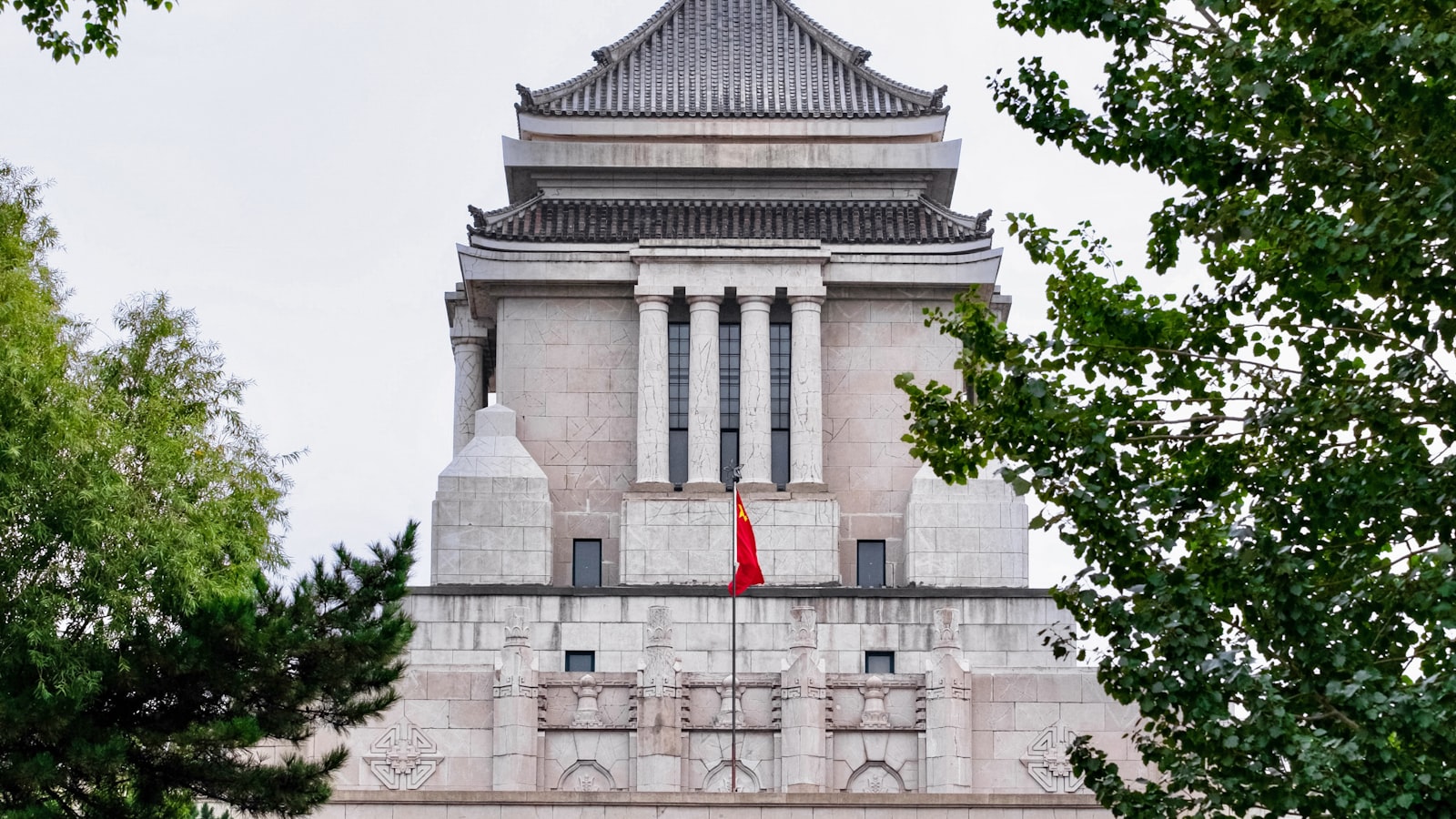
Ningbo Travel Guide (2026): Tianyi Pavilion & Old Bund
Ningbo, Zhejiang's port city — the Ming library of Tianyi Pavilion, the Old Bund, the Wang Shu-designed Ningbo Museum and a seafood-heavy local cuisine.
Ningbo, China
Open an external map for this location.
OpenStreetMap Google Maps (opens externally)
Ningbo is the old port city that opened before Shanghai’s Bund and kept its character — China’s oldest library, a Pritzker-winning museum, a riverside quarter of 19th-century trade houses, and some of the best seafood on the coast. Here’s how to plan it in 2026.
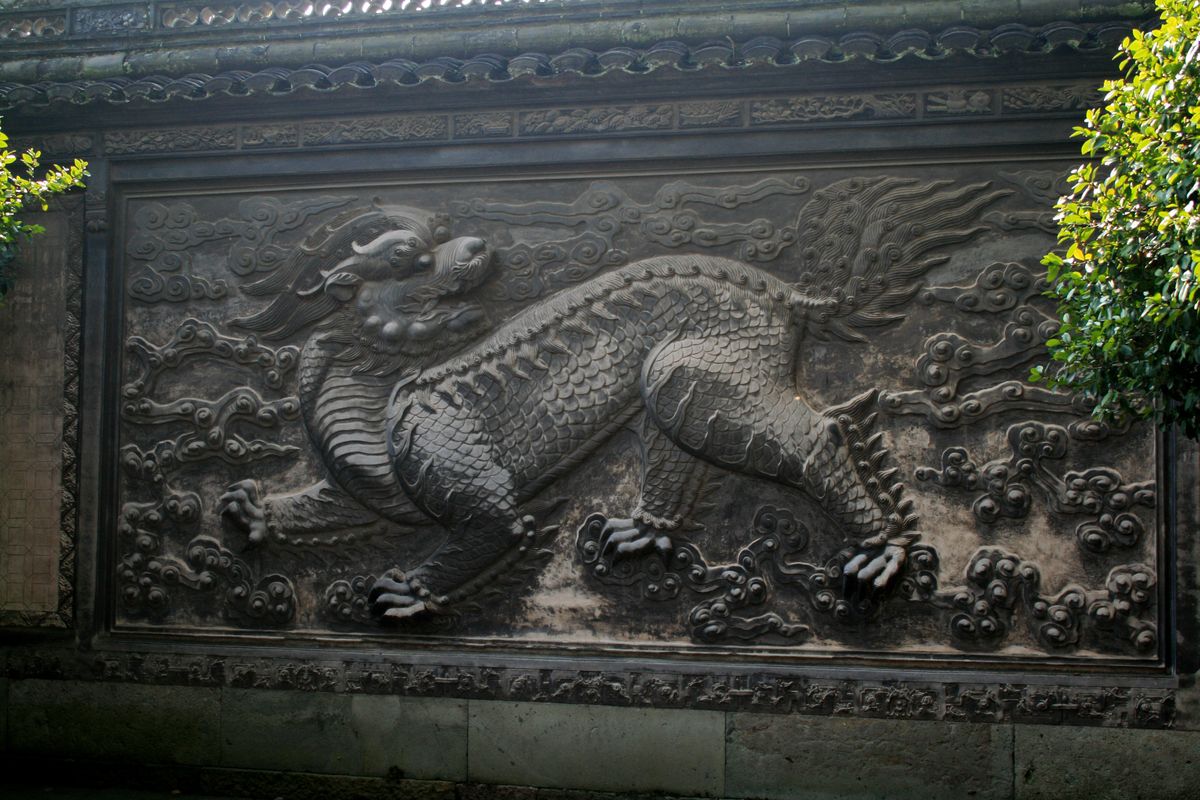
The Tianyi Pavilion in Ningbo — the oldest surviving private library in China, founded in 1561.
The essentials
- Days needed: 2 days; add a day for the sacred island of Putuoshan.
- Getting there: high-speed rail from Hangzhou in about 50 minutes and from Shanghai in about 2 hours; Ningbo Lishe Airport (NGB) is about 30 minutes from the center.
- Best season: April–June and September–November — mild, clear, and before the summer heat and typhoon risk.
- Position: Ningbo sits on the coast south of Hangzhou Bay, at the heart of one of the world’s busiest port regions and within reach of the Zhoushan islands.
What to do
Start in the old town, where Ningbo’s history as a treaty port is written into the streets. The centerpiece is the Tianyi Pavilion, founded in 1561 by the Ming official and bibliophile Fan Qin. It is the oldest surviving private library in China, and it looks the part: a sealed stone-flagged compound where the founder’s descendants guarded rare manuscripts against fire and theft for generations, wrapped in one of the finest Ming-dynasty gardens in the region. The collection is long dispersed to state archives, but the buildings, the rockeries and the atmosphere of scholarly obsession remain — give it a slow hour.
From Tianyi Pavilion, the Moon Lake park and the Drum Tower lead naturally toward the river. At the waterfront you find the Old Bund, the strip of 19th-century godowns, banks and trade houses built after Ningbo opened to foreign trade in 1844 — a full year before Shanghai’s better-known Bund. Today the arcade is a lively strip of bars, restaurants and seafood places, best in the evening when the riverfront lights come on.
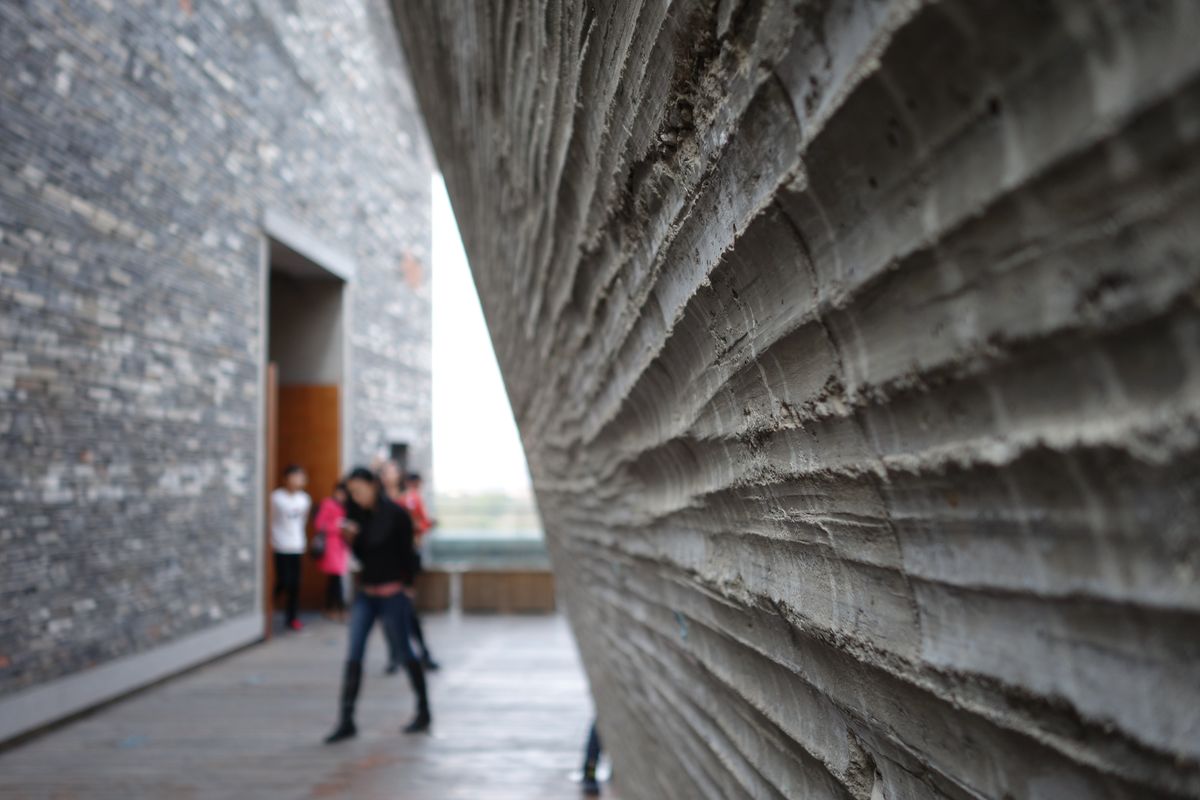
The Ningbo Museum’s recycled-brick facade, designed by Pritzker laureate Wang Shu.
Across town, the Ningbo Museum is the other must-see — not just for its collections of Ningbo history and the Neolithic Hemudu culture, but for the building itself. The architect Wang Shu, the first Chinese recipient of the Pritzker Prize, wrapped the museum in millions of recycled gray bricks and roof tiles salvaged from demolished traditional houses, creating a facade that is at once contemporary and unmistakably local. Entry is free but usually requires a timed reservation.
Top sights
- Baoguo Temple — in the foothills north of the city, the Main Hall of this temple is one of the oldest and most important wooden structures in southern China, built in 1013 during the Song dynasty and held together with interlocking brackets and beams rather than nails. Quiet, scholarly, and almost never crowded. Allow half a day with transport.
- Dongqian Lake — the large lake east of Ningbo, nicknamed “the West Lake of the East.” Cycle the shoreline, visit the waterside temples, and stay for a lake-view meal. A relaxed half-to-full-day outing.
- Hemudu Site Museum — about 20 kilometers north, this Neolithic site (roughly 7,000 years old) rewrote the story of rice cultivation in China. The museum shows the excavated village, its wooden architecture and its astonishingly preserved finds. Worth it if you have a taste for prehistory.
- Xikou — the riverside town in Fenghua district that was the hometown of Chiang Kai-shek, with his former residence, ancestral halls and the wooded Xuedou Mountain above it. About an hour from central Ningbo.
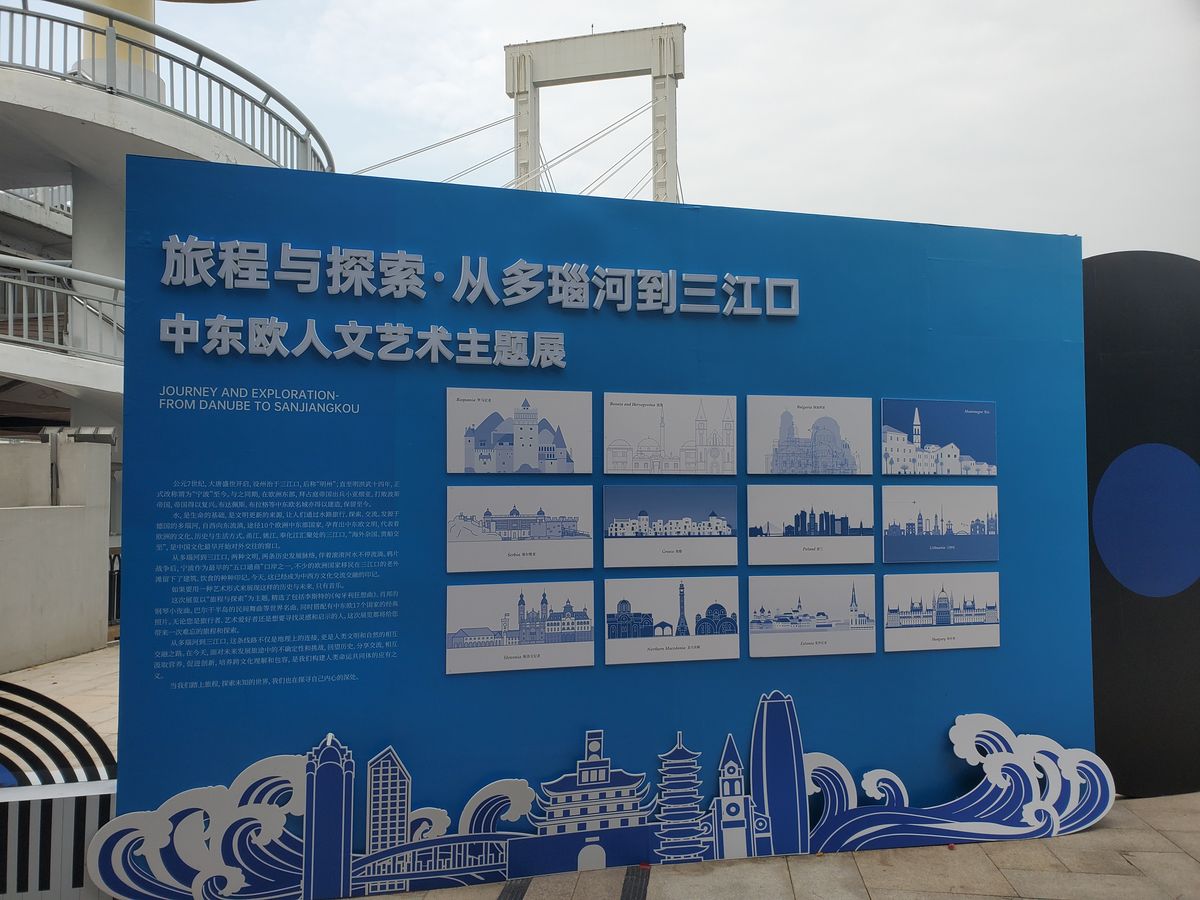
The Old Bund in Ningbo — the concession-era waterfront that opened before Shanghai’s Bund.
When to go, season by season
Ningbo has a mild, four-season coastal climate. April to June is the sweet spot: spring greens, warm days, and clear skies over the Old Bund — though May and June bring increasing rain. September to November is the other peak: cooler and drier after the summer heat, with the autumn light at its best for the Tianyi Pavilion’s garden. July and August are hot and humid, and the coast is in typhoon season, so keep an eye on the forecast if you travel then. December to February is cold and grey, with the occasional winter storm, but hotel prices drop and the museums are quiet. For the sacred island of Putuoshan, avoid the peak national holidays and the summer weekends, when the ferries fill.
Where to stay and eat
Stay downtown for convenience. The old town around the Drum Tower and Moon Lake puts you closest to the sights and the old streets. The Old Bund waterfront is the livelier choice for evening life, with riverside hotels and the restaurant strip at your door. For an overnight before catching the Putuoshan ferry, consider staying nearer the bus terminal or the ferry-connected area on the east side.
Eating in Ningbo is a seafood lesson in the local style. Begin with Ningbo tangyuan — tiny glutinous rice balls with a molten black-sesame filling, served in warm soup. Then move to the region’s trademark yellow croaker with pickled greens, or the more daring salt-marinated raw crab. The old streets around the Drum Tower are best for snacks — including the sweet-scented seaweed (tiaocai) snacks and the savory rice cakes Ningbo is known for. Around the Old Bund, restaurants serve the same ingredients with a river view and a more touristic markup; walk a block inland for the same seafood at local prices.
A realistic budget
Ningbo is affordable by coastal standards — cheaper than Hangzhou and Shanghai. Hotels: mid-range downtown hotels run about ¥300–500 per night; budget options about ¥150–250. Sights: Tianyi Pavilion around ¥30; the Ningbo Museum free; Baoguo Temple and Dongqian Lake boats modest. Expect ¥100–200 in entry fees across a two-day trip. Food: street snacks and tangyuan ¥10–20; a seafood dinner ¥80–150 per person. Transport: the metro is a few yuan per ride; taxis and Didi across town ¥15–50; the Xikou day trip adds ¥100–200 for transport. A realistic 2-day budget for one person, excluding hotels and long-distance rail, is roughly ¥600–1,000. All figures are planning estimates — prices change, so confirm current rates on booking platforms.
Practical tips
- Reserve the Ningbo Museum ahead — free entry is usually timed; book the day before through the official mini-program or ticketing page.
- Trains are the easy way in — Hangzhou–Ningbo runs frequently; our guide to buying train tickets with a foreign passport covers the process, and the China metro guide explains the system in Ningbo and beyond.
- Budget time for Putuoshan — it’s a different day entirely; the ferry from the Zhoushan ports takes a few hours each way, so don’t try to squeeze it into a half day.
- Pay and data — set up Alipay and an eSIM before you arrive.
- Ask about the raw crab — salt-marinated crab is a local specialty but a raw one; if you’re cautious, the cooked seafood is just as good.
Combining Ningbo with the region
Ningbo is the natural eastward extension of a Zhejiang trip. It sits about 50 minutes by rail from Hangzhou (Hangzhou guide), which makes it an easy two-day add-on to a West Lake itinerary, and about two hours from Shanghai (Shanghai guide) across the bay. The Zhejiang guide ties the province together — Hangzhou’s lake and tea hills, Ningbo’s port and temples, and the water towns in between. For the devout or the adventurous, Ningbo is also the gateway to Putuoshan, the island of Guanyin that is one of China’s four sacred Buddhist mountains. A sensible week puts two days in Hangzhou, two in Ningbo, and a final day on Putuoshan.
Last updated: August 2026. Check current tickets, ferry schedules, opening hours and prices — confirm before you go.
Frequently Asked Questions
Is Ningbo worth visiting if I'm short on time?
Ningbo is one of China's more underrated cities — it was the treaty port that opened before Shanghai's Bund, it holds the oldest surviving private library in China, and it has a Pritzker Prize-winning museum building. It's an easy high-speed rail hop from Hangzhou, so a one- or two-night stop costs little and adds real depth to a Zhejiang trip.
How many days do I need in Ningbo?
Two days is right for the city: a day for the old town — Tianyi Pavilion, Moon Lake and the Old Bund — and a day for the Ningbo Museum plus one day trip, either to Xikou or to the coast. If you're heading to the sacred island of Putuoshan, budget an extra day and a half for the ferry crossing and the island itself.
What is the Tianyi Pavilion?
The Tianyi Pavilion, founded in 1561 by the Ming official Fan Qin, is the oldest surviving private library in China — a walled compound of reading halls, book-storage pavilions and rock gardens built to protect a collection of rare manuscripts. It's now a museum with a fine garden, and it is the single most important sight in Ningbo. Entry is around ¥30 (estimate, prices change).
How do I reach Putuoshan or Xikou from Ningbo?
Xikou, the hometown of Chiang Kai-shek, is about an hour from central Ningbo by taxi or bus and is easily done as a day trip. For Putuoshan, one of China's four sacred Buddhist mountains, take a bus to the Zhoushan ferry ports and cross by boat — the total journey is roughly two to three hours each way, so plan a full day or an overnight.
What should I eat in Ningbo?
Ningbo cuisine is built on seafood and salt-preserved foods. Start with Ningbo tangyuan — small glutinous rice balls filled with black sesame — then try yellow croaker cooked with pickled greens, and salt-marinated raw crab if you're adventurous. The waterfront Old Bund has good seafood restaurants; the old streets around the Drum Tower are best for snacks.
More in Zhejiang
Zhejiang Travel Guide (2026) — Zhejiang travel guide